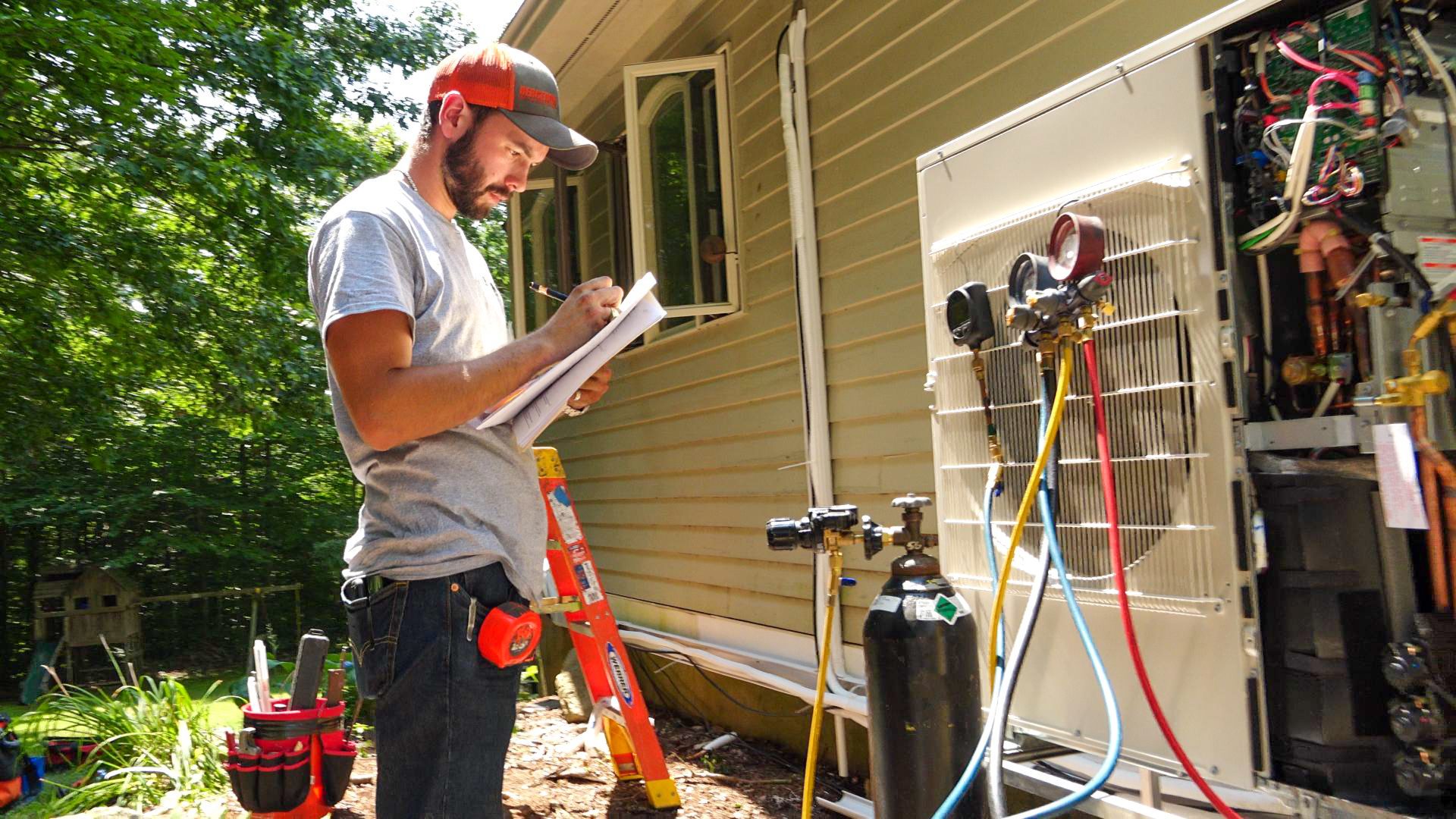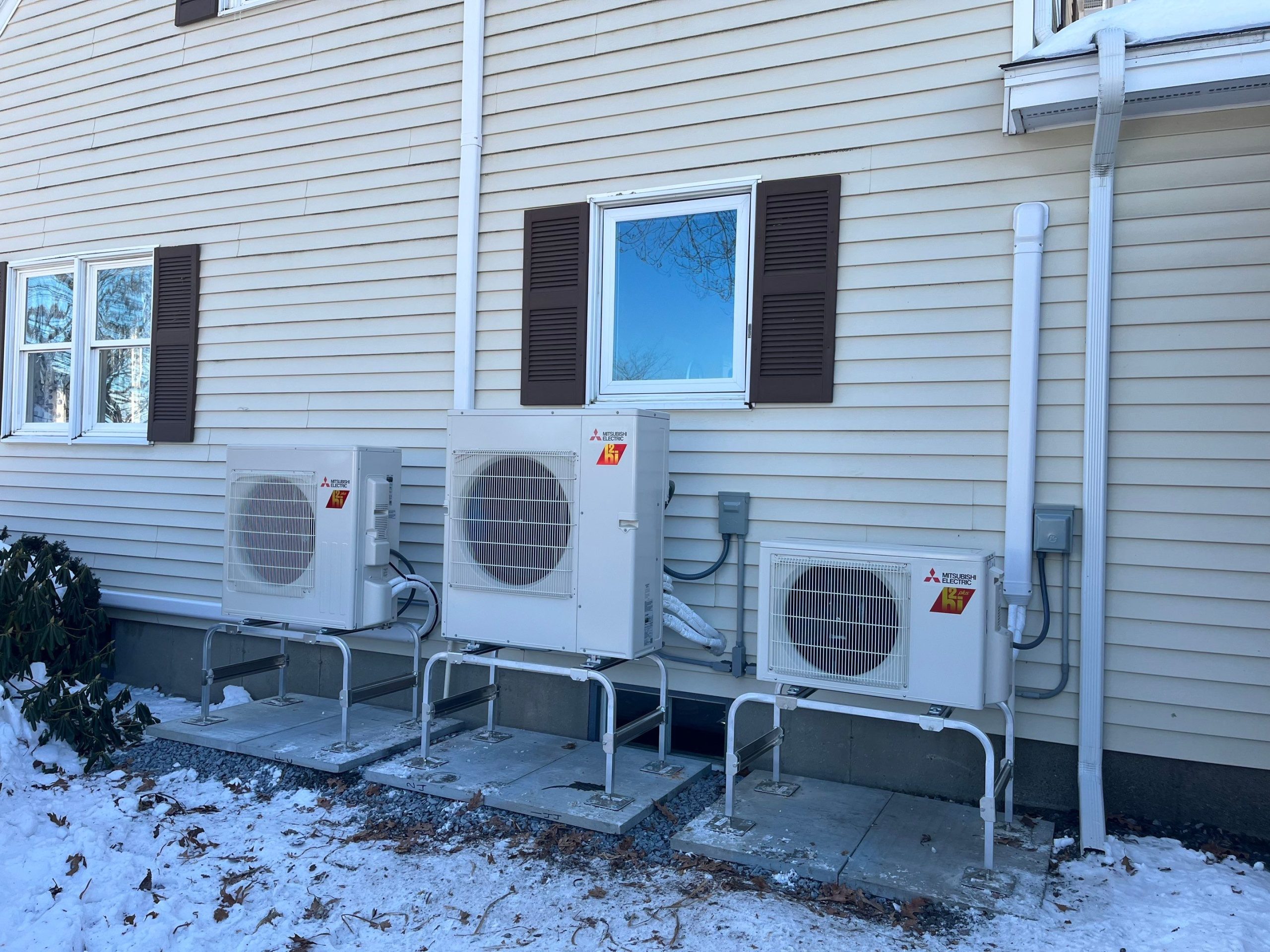
Choosing between a heat pump and a traditional air conditioner is a big decision for homeowners in New Hampshire and Vermont. While these systems may look similar, they work differently as the seasons change.
At first, the outdoor units look almost the same. Both sit outside your home, run during the summer, and use similar cooling technology. But there is a key difference that matters once fall arrives, or winter lingers in New England.
This guide offers a clear, practical comparison of AC vs. heat pumps. We’ll cover performance, energy use, cold-climate reliability, and which system is best for homes in New Hampshire and Vermont as the seasons change.
Heat Pump vs AC: The Short Answer
To understand the difference between air conditioners and heat pumps, it helps to see how each system handles heat:
- Central Air Conditioning: A traditional AC is designed for one task: removing heat from inside your home and moving it outside. It is a dedicated cooling system that remains idle during the colder months.
- Heat Pumps: A heat pump also provides cooling during the summer. However, it features a reversing valve that allows it to change direction in the winter. Instead of just removing heat, it can extract heat from the outdoor air (even in freezing temperatures) and move it indoors.
Not sure how a heat pump actually works? Watch this quick overview before diving in.
How a Central Air Conditioner Works
Most homeowners know how standard cooling works, but it’s helpful to understand how a traditional system operates. A central air conditioner is built for one main purpose:
- Removes heat from indoor air: It absorbs heat from your home to lower the indoor temperature.
- Transfers heat outside: The system moves that heat to the outdoor unit, where it is released.
- Relies on a separate heating system: Since it only moves heat out, you’ll need a heating system to keep your home warm when it gets cold.
How a Heat Pump Works
A heat pump offers a more versatile approach, using advanced technology to manage your home’s climate year-round.
- Cool in the summer: Just like an AC, it moves heat from inside to the outside to keep you comfortable.
- Heats in the winter: It reverses its operation to extract heat from the outdoor air and move it into your home.
- Uses electricity efficiently: It moves heat using electricity instead of burning fuel, which can help you use less fossil fuel.
Key Takeaway
The biggest difference between an air conditioner and a heat pump system is year-round functionality. While an AC is a seasonal tool, a heat pump is a year-round solution that reduces energy use every season compared to traditional alternatives.
Cold Weather Capability
Many homeowners in New Hampshire and Vermont ask if a heat pump can handle a northern winter. When it comes to cold weather, the difference between these systems is clear:
- Central AC Performance: A standard central AC system is a cooling-only appliance. It provides no heat and remains completely inactive throughout the winter.
- Heat Pump Performance: We install Mitsubishi Electric heat pumps with Hyper-Heating technology made for cold climates.
- 100% Heating Capacity: These systems are designed to provide full heating capacity at temperatures as low as -5°F.
- Performance Down to -22°F: These units continue to provide heat even when outdoor temperatures drop as low as -22°F.
- INVERTER-Driven Compressors: This technology lets the system adjust its energy use in real time to fit your home’s needs.
Energy Efficiency Comparison
Understanding AC vs heat pump efficiency means looking at how your home uses energy across all four seasons.
- Heat Transfer vs. Generation: Heat pumps use electricity to move heat rather than burning fuel to generate it, allowing them to provide more energy than they consume.
- Year-Round Impact: Choosing a heat pump helps to reduce energy usage during the spring, summer, and fall, as well as much of the winter.
- Sustainability Goals: Switching your heating and cooling to an electric system helps protect the environment by reducing your home’s overall carbon footprint.
How to Decide What’s Right for Your Home

Every home in New Hampshire and Vermont is unique. To choose the best system for your needs, consider these points:
- Check what you use to heat your home. If you use oil or propane, switching to a heat pump can help you use less fossil fuel.
- Consider the times of year when it’s neither very hot nor very cold. If your home feels chilly in May or October but you don’t want to use the furnace, a heat pump is an efficient option.
- Make sure your home is well insulated. Heating and cooling systems work more efficiently when your house is well-sealed.
- Consider how often you need air conditioning. If you only need it for a few weeks each year and already have a new furnace, a standard AC might be the simplest choice.
- Talk to a local expert. Getting the right size system matters as much as the brand you choose.
Comparing Your Options
To help you decide which system fits your home, consider the pros and cons of each option. Whether you want to use less fossil fuel or just add cooling for summer, here’s a simple comparison.
Heat Pump — Pros & Cons
- Pros:
- ✅ Provides both heating and cooling in one system.
- ✅ Supports a cleaner environment by using electricity.
- ✅ Can be installed in homes without existing ducts (Mini-Splits).
- Cons:
- ❌ Higher upfront installation cost than a basic AC.
- ❌ Requires expert design and installation.
- Best for: Year-round comfort and homeowners looking to reduce their dependence on fossil fuels.
Central AC — Pros & Cons
- Pros:
- ✅ Lower upfront installation cost.
- Cons:
- ❌ Cooling provides no benefit for 8-9 months of the year.
- ❌ Still requires a separate furnace or boiler system for winter.
- ❌ Requires a full, well-maintained system of ducts.
- Best for: Homes with a newer, efficient heating system that only need help with summer heat.
Window AC Units — Pros & Cons
- Pros:
- ✅ Very low upfront cost per unit.
- ✅ No professional installation required for the unit itself.
- Cons:
- ❌ High energy usage for very limited cooling.
- ❌ Loud operation blocks window views and security.
- ❌ Must be installed and removed every season.
- Best for: Temporary cooling in a single room or for rental properties.
Why Heat Pumps Are Gaining Popularity in Vermont & New Hampshire
More people in our area are choosing heat pumps because of new technology and our local climate needs:
- Built for Our Winters: Our long heating seasons mean we need systems that work well in the cold. Modern heat pumps are designed for this.
- Energy Diversification: Many homeowners want options besides oil or other delivered fuels. Electric heat pumps help reduce energy usage.
- Environmental Goals: Many residents choose heat pumps because they want to help to save the environment by lowering their home’s carbon footprint.
Why Local Expertise Matters
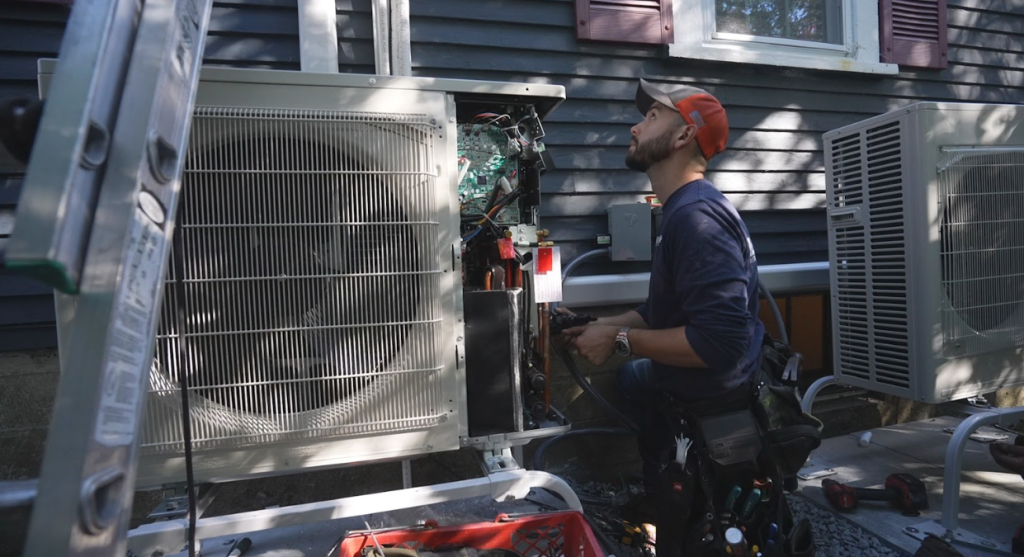
Selecting the right heating and cooling technology is only the first step. For a system to work effectively across the changing seasons of New Hampshire and Vermont, the quality of the installation and the depth of local knowledge are critical.
At Bergeron Mechanical Systems, we provide the security that comes with decades of regional experience:
| The Bergeron Advantage | Protection & Reliability for Your Home |
| 12-Year Labor & Parts Warranty | Our Mitsubishi Electric systems come with a 12-year parts warranty. Bergeron Mechanical Systems includes an additional 12-year labor warranty, covering both the equipment and the professional work required to maintain your comfort. |
| Mitsubishi Electric Diamond Elite Contractor | This certification ensures your system is installed by a team with the highest level of Mitsubishi Electric training and up-to-date knowledge. |
| 50+ Years of Local Experience | With over five decades in the market and 500+ Google reviews, our history proves we understand the unique challenges of New England homes, from insulation gaps to legacy heating systems. |
Final Thoughts: Making a Smarter HVAC Choice in NH & VT
Comparing AC vs. a heat pump is a choice between a seasonal tool and a year-round strategy. While an AC unit only cools, a heat pump provides comfort throughout every New England season. This transition allows you to reduce your dependence on fossil fuels.
As a Mitsubishi Electric Diamond Elite Contractor, we ensure your system is sized correctly. We offer an exclusive 12-year labor-and-parts warranty on every installation. This gives you long-term security in both the equipment and the workmanship
Ready to prepare your home for the seasons ahead? Contact Bergeron Mechanical Systems today to schedule a free design consultation.
FAQs
What is better, a heat pump or an AC?
In New Hampshire and Vermont, a heat pump is often a better choice because it provides utility in both summer and winter, helping you reduce energy usage year-round.
Is a heat pump better than AC in cold climates?
Yes, if you choose a cold-climate model. We install Mitsubishi Electric heat pumps with Hyper-Heating technology specifically for northern temperatures.
Do heat pumps replace your heating system completely?
They can, but many local homeowners use them to reduce their dependence on fossil fuels while keeping their old heating systems as backups for extreme weather.