Most people don’t spend much time thinking about their heating and cooling systems until something isn’t working.
A room that’s always too warm in August, a corner of the house that never gets enough heat in January. That discomfort is usually what sends NH and VT homeowners down the path of looking at mini-splits for the first time.
There are several types of mini-split systems to consider, and the differences between them are more practical than technical. The right configuration depends on your home, how you use it, and what you actually want out of it year-round.
What Is a Mini-Split System?
A mini-split system is a heating and cooling solution built around two main components: an outdoor compressor unit and one or more indoor air-handling units connected by refrigerant lines.
Rather than burning fuel to generate heat, these systems move it. They pull heat from outdoor air and bring it inside in winter, then reverse the process to cool your home in summer. That’s how they deliver year-round comfort while using less energy than older systems.
Because there’s no ductwork involved, mini-splits work especially well in:
- ✅ Older homes without existing duct systems
- ✅ Room additions and finished basements
- ✅ Renovated spaces where running ducts isn’t practical
Key terminology to know:
- ✅ Single-zone mini-split: One outdoor unit connected to one indoor unit, dedicated to one room or space.
- ✅ Multi-zone mini-split (multi-split): One outdoor unit connected to multiple indoor units, each controlling a different room independently.
- ✅ Cold-climate system: These units warm homes effectively in subzero temperatures, unlike standard models that require electric backup below 32° Fahrenheit.
That distinction matters when you start comparing mini-split options for your home.
Main Types of Mini-Split Systems
Single-Zone Mini-Splits
A single-zone system pairs one outdoor unit with one dedicated indoor unit. It heats and cools one defined space, keeping each room at optimal comfort without affecting the rest of the house.
Why homeowners choose single-zone systems:
- Targeted comfort in one room, across every season
- Simpler installation
- Independent control that doesn’t touch the rest of the home
- Highest efficiency and performance among all heat pump options
Common applications in New Hampshire:
- A bedroom that’s consistently too hot in July or too cold in January
- A finished basement or attic used year-round
- A garage, workshop, or home office
- A seasonal property; extending seasonal use
For homeowners who need comfort in one specific space without overhauling the whole house, a single-zone system is usually the right place to start.
Multi-Zone (Multi-Split) Systems
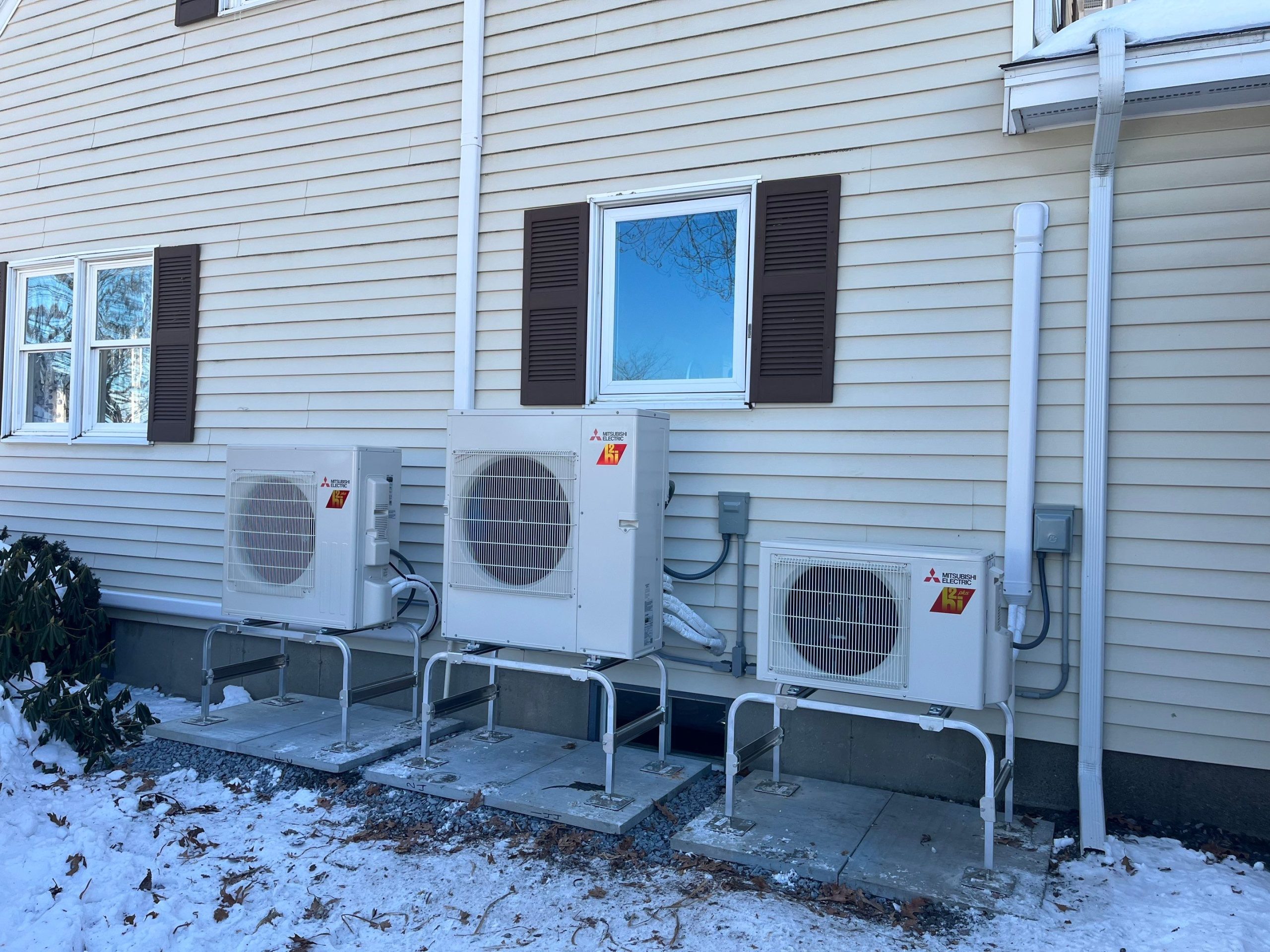
A multi-zone system connects one outdoor unit to multiple indoor units, each placed in a different room. Every unit runs independently, which means you don’t need to heat or cool rooms that aren’t being used, and rooms can be set different temperatures at the same time.
Check out this brief video to learn more.
Key benefits:
- Whole-home heating and cooling from a single outdoor unit
- Room-by-room temperature control with no compromises between floors or family members
- No ductwork required, even across multiple rooms
For households with multiple rooms and different comfort needs, this configuration gives everyone in the home control over their own space.
Cold-Climate Systems
Unlike standard models that require electric backup below 32° Fahrenheit, these units warm homes effectively in subzero temperatures (down to -13F to -22°F)* using advanced compressors and flash-injection technology.
Why New Hampshire homeowners choose cold-climate systems:
- Available in single-zone or multi-zone systems with all the same heating and cooling key benefits
- Mitsubishi Electric H2i plus models provide among the strongest low-temperature performance specifications available for residential air-source heat pumps in North America, with 100% heating capacity at -5 to +5°Fahrenheit (depending on model) and continued operation down to -22° Fahrenheit.
*Low-temperature performance varies by manufacturer.
Types of Indoor Units
The indoor unit is what you see every day, so the choice matters. Bergeron Mechanical Systems installs Mitsubishi Electric systems in four configurations, each suited to different rooms and layouts.
Comparison of Indoor Unit Types
| Unit Type | Visibility | Installation Location | Best For | |
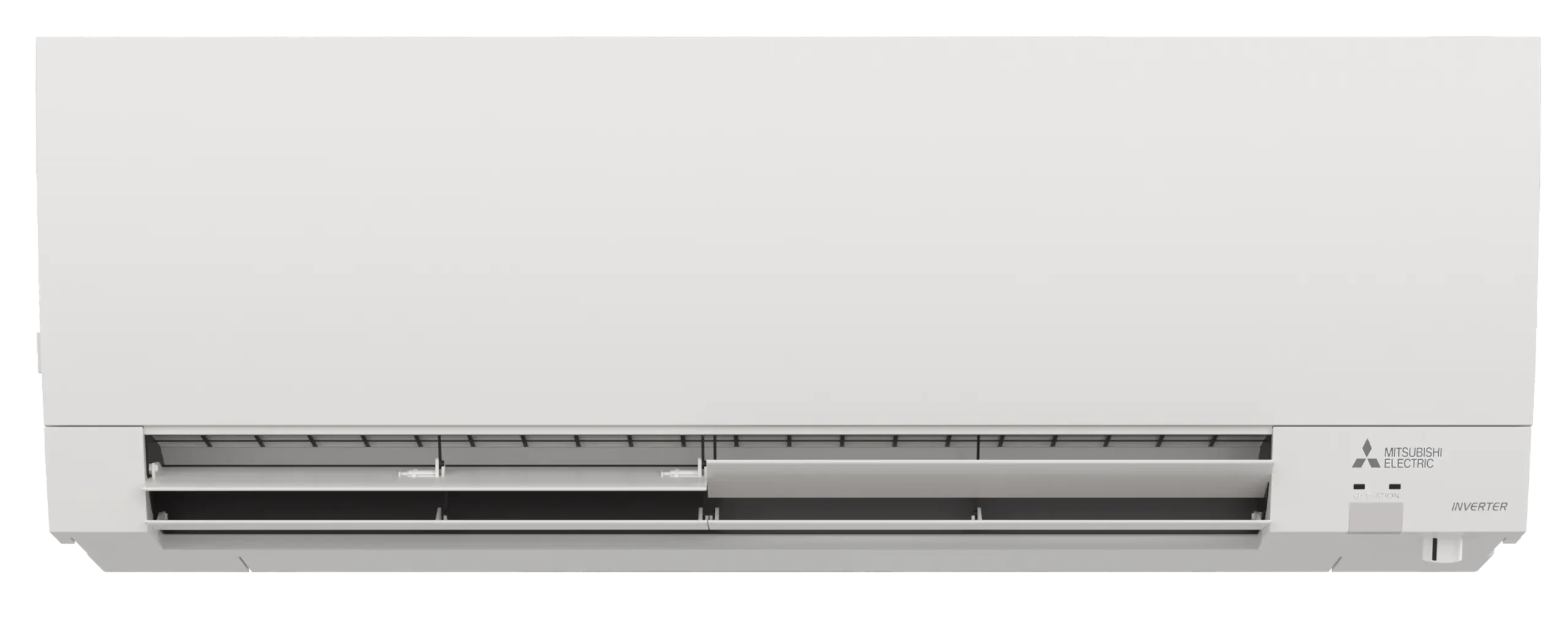 | Wall-Mounted | Visible | High on the wall | Bedrooms, living rooms, offices |
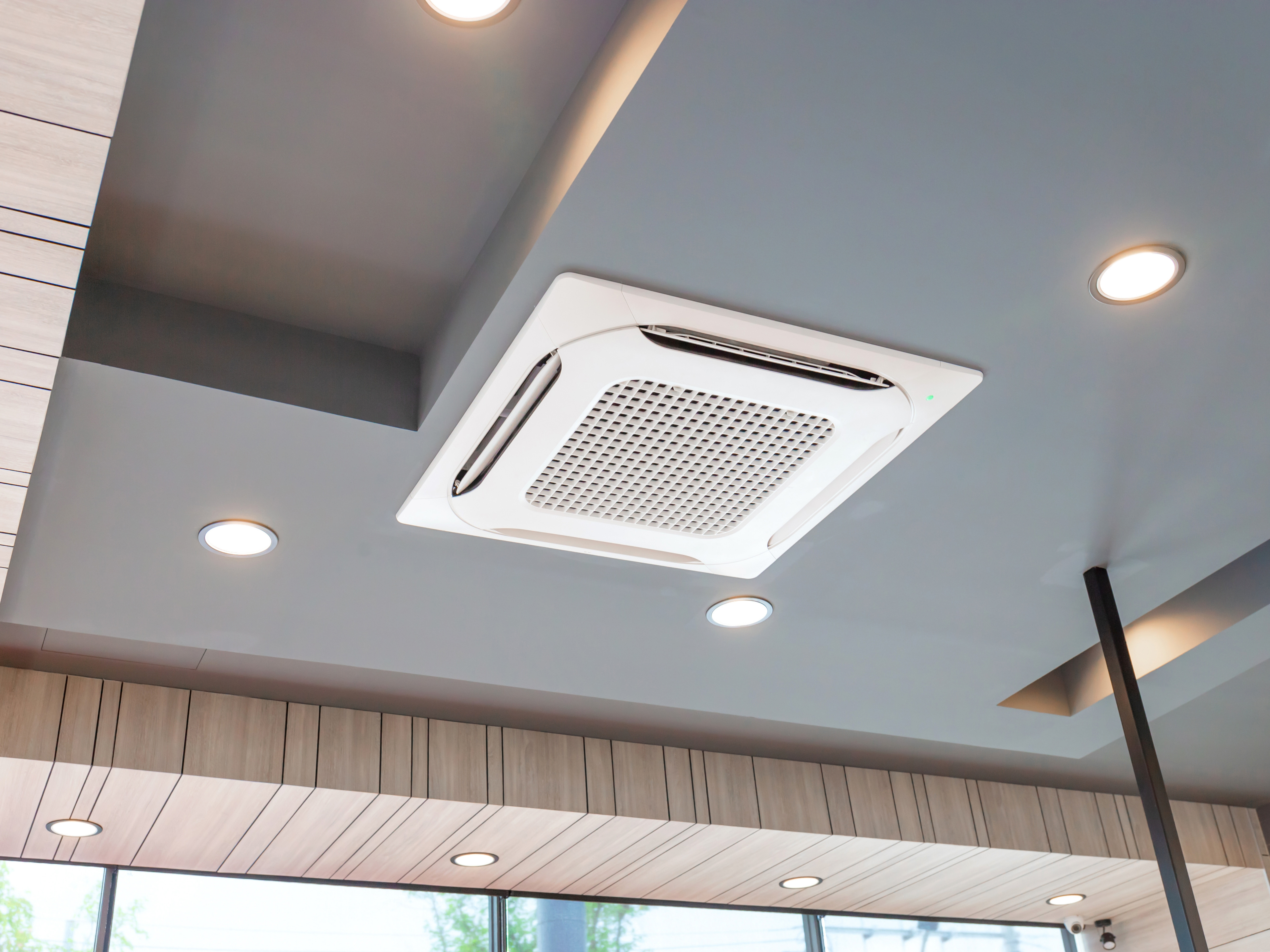 | Ceiling Cassette | Low profile | Recessed in the ceiling | Open-concept spaces |
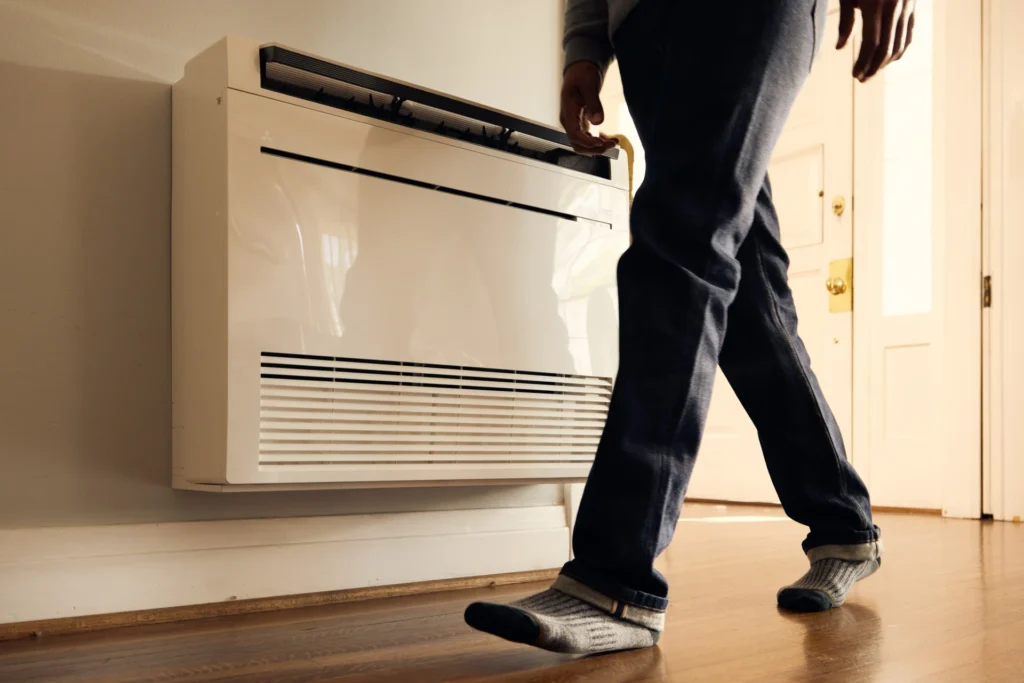 | Floor-Mounted | Visible | Near floor | Rooms with limited wall space |
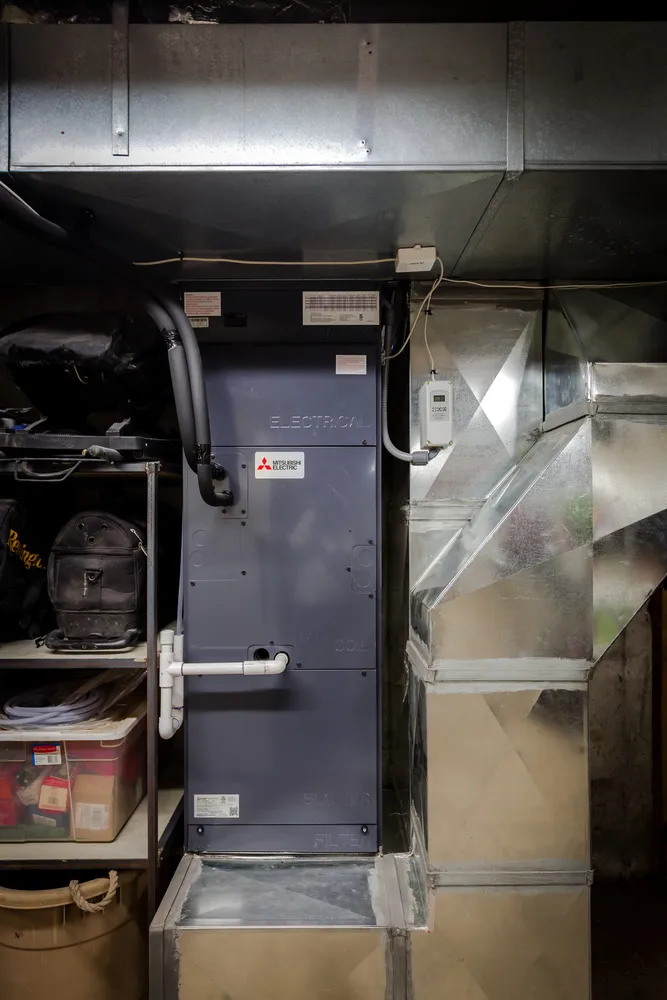 | Ducted Heat Pumps | Hidden | Ceiling/floor registers | Renovations, new homes, replacing a gas furnace. |
Do Mini-Splits Work Year-Round in New Hampshire?
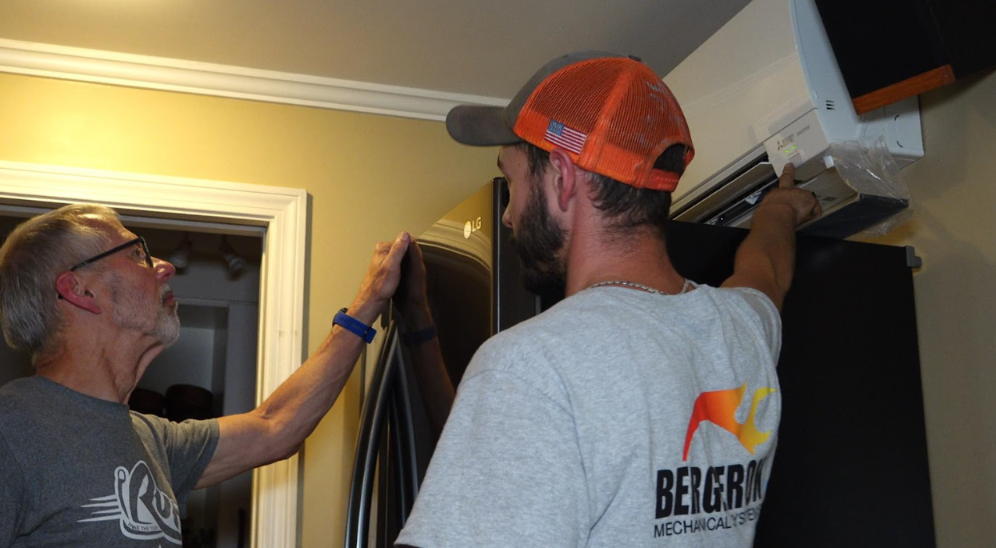
Yes. A Mitsubishi Electric heat pump handles both heating and cooling in a single installed unit, so one system keeps your home comfortable year-round without needing separate equipment for each season.
New Hampshire winters are no small thing, which is why Bergeron Mechanical Systems installs Mitsubishi Electric cold-climate heat pumps engineered specifically for the conditions this region actually sees. Come summer, the same system switches to cooling mode and handles the warm months just as well.
Every system we install is sized and configured for the specific demands of the home it’s going into. Designed to perform in every season, not just one.
How to Choose the Right Mini-Split System
Every home is different, and the right system depends on how your space is built, how you use each room, and what comfort actually means for your household.
A single-zone system that works perfectly in one home might leave another feeling underpowered. A multi-zone setup that makes sense for a large colonial isn’t necessarily the right call for a cape or a cottage.
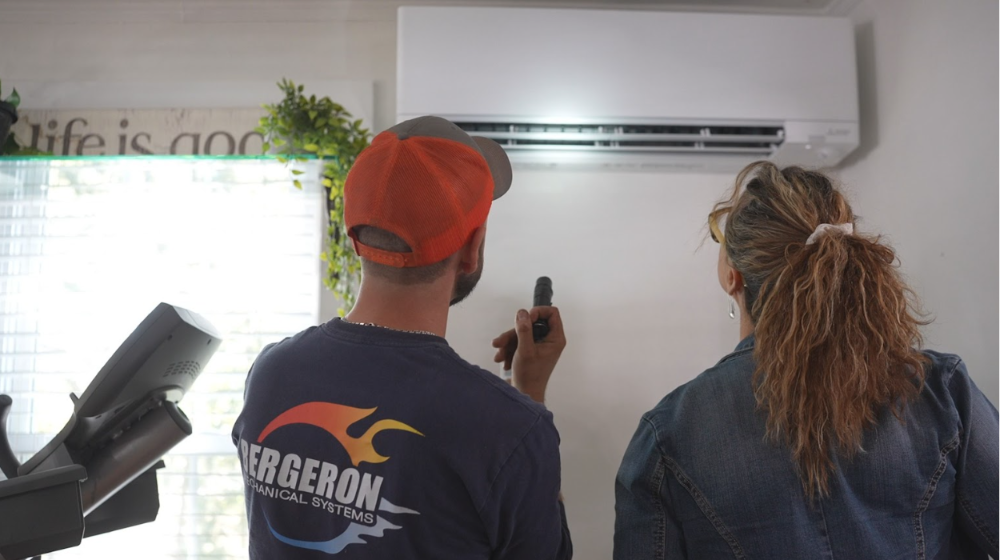
That’s exactly why Bergeron Mechanical Systems starts every project with a Free Design Consultation. A design consultant comes to your home, walks through your space, and develops a system recommendation tailored to your specific situation using science and math instead of guessing what will work.
Room size, layout, insulation, and how the home is used are all factors in the final design. No guesswork, no generic quotes based on square footage alone.
You walk away with a engineered proposal before committing to anything. Schedule your Free Design Consultation here.
Why Installation Matters
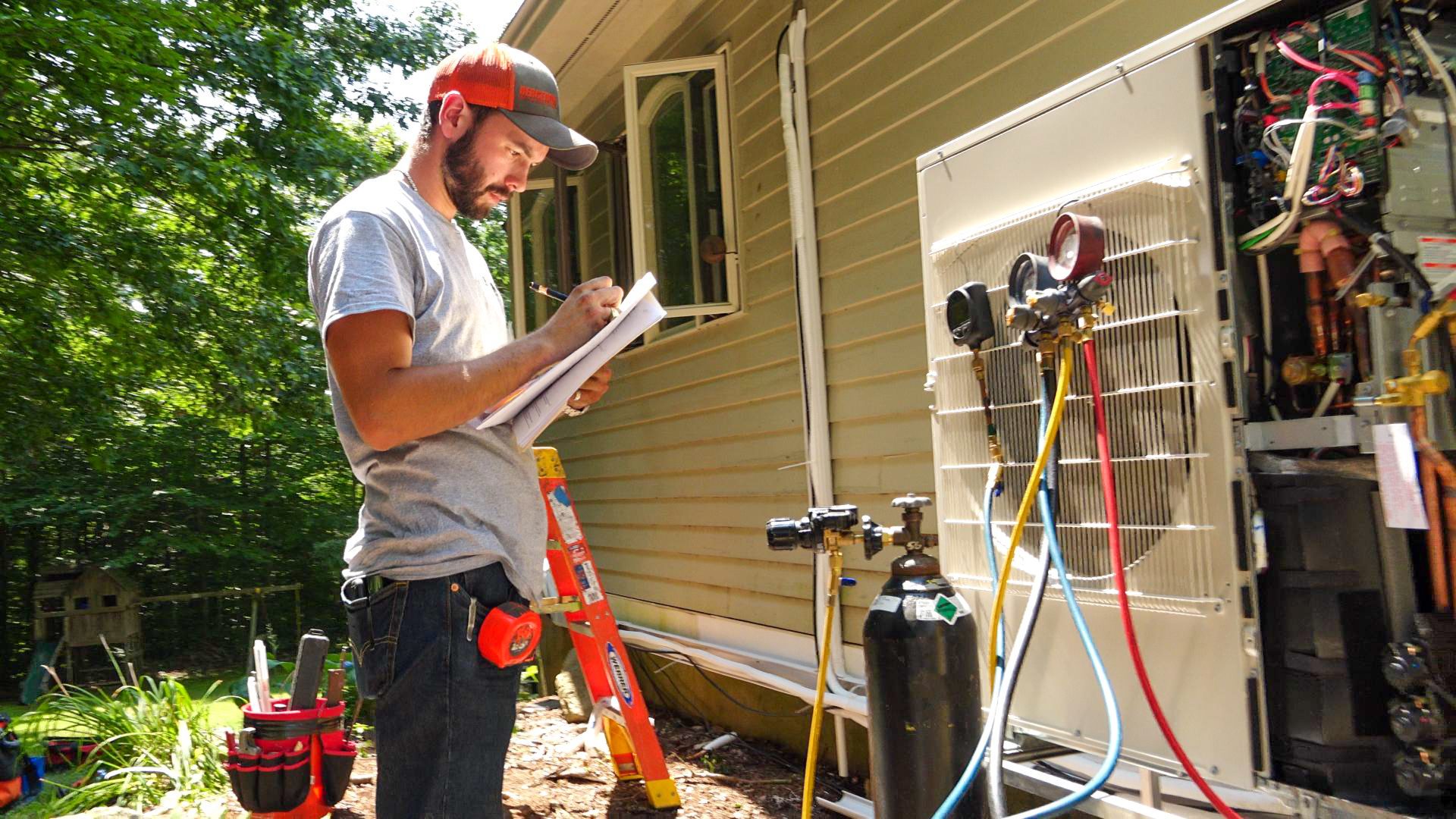
A Mitsubishi Electric system is only as good as the installation behind it. The equipment is the same regardless of who installs it. What changes is the process, the training, and the accountability that comes with the contractor you choose.
As a Mitsubishi Electric Diamond Elite Contractor, Bergeron Mechanical Systems holds the highest tier of certification available from Mitsubishi Electric, earned through technical training and ongoing performance standards.
That’s what backs every installation we do, along with a 12-year parts-and-labor warranty on all Mitsubishi Electric components, covering both the equipment and the workmanship.
Get Expert Guidance for Your Home
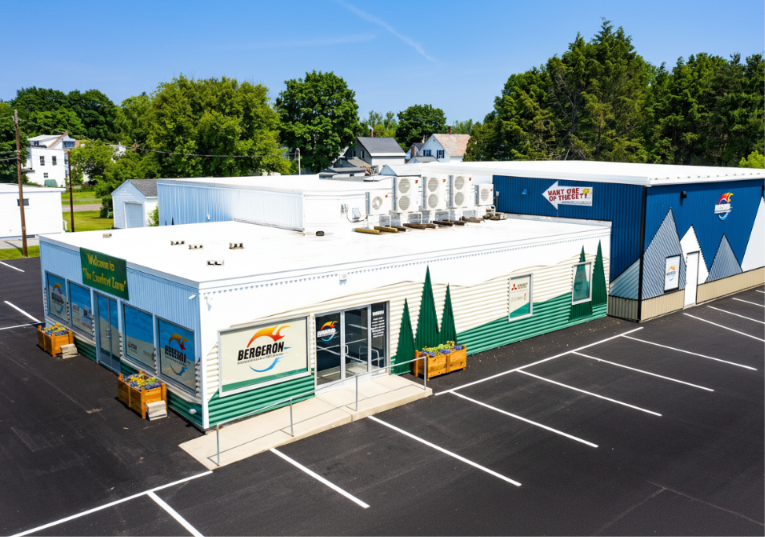
Sorting through the different types of mini-split options is much easier when you can see the equipment in person and talk through your specific situation with someone who installs it every day.
Bergeron Mechanical Systems operates The Comfort Zone, the state of New Hampshire and Monadnock Region’s first and only Mitsubishi Electric ductless mini-split showroom, located at 216 Marlboro Street in Keene, NH. Open Monday through Friday, 7 AM to 4 PM, no appointment needed.
Come in, see the systems running, and walk out with a clearer picture of what makes sense for your home. Or if you’re ready to get started, schedule your Free Design Consultation here.
Frequently Asked Questions
What is the difference between a mini-split and a multi-split system?
A single-zone mini-split pairs one outdoor unit with one indoor unit, serving one specific room or space. A multi-split system connects one outdoor unit to multiple indoor units, each controlling a separate room. Both are ductless and provide year-round heating and cooling. The choice comes down to how many rooms you need to condition.
Can mini-splits handle cold temperatures?
Yes. Bergeron Mechanical Systems installs Mitsubishi Electric cold-climate heat pumps engineered for the conditions that NH and VT winters actually bring. The same system that heats your home in winter switches to cooling mode in summer, so you don’t have to manage two separate systems for four seasons of comfort.
How many indoor units can one system support?
That depends on the specific outdoor unit model and your home’s heating and cooling load. Bergeron Mechanical Systems determines the right configuration during the Free Design Consultation, sizing each zone based on your space and its use.
Which unit type is best for older homes?
It depends on the room. Floor-mounted units work well when wall framing or window placement limits high-wall installation, which is common in older construction. Ducted heat pumps might be a good fit for new construction or homes with an existing gas furnace and insulated ductwork. A site visit is the most accurate way to determine what works for a specific space.
How is system size determined?
Through a load calculation that accounts for room size, ceiling height, insulation, window area, and sun exposure. At Bergeron Mechanical Systems, that calculation happens before any equipment recommendation is made, ensuring the system is sized for your home specifically.