
Choosing a heating system can feel overwhelming: quick heat when the temperature plunges, or better efficiency year-round? If you worry about being left in the cold during a polar blast or simply want to understand your options, this article is for you.
We’ll explain how each system works, what to expect on the coldest nights, and which option tends to make sense for New England homes. Read on for a clear comparison of heat pumps vs furnaces in New England and the key factors that should guide your decision.
Heat Pump vs Furnace: An Overview of Both Systems
What is a Heat Pump?
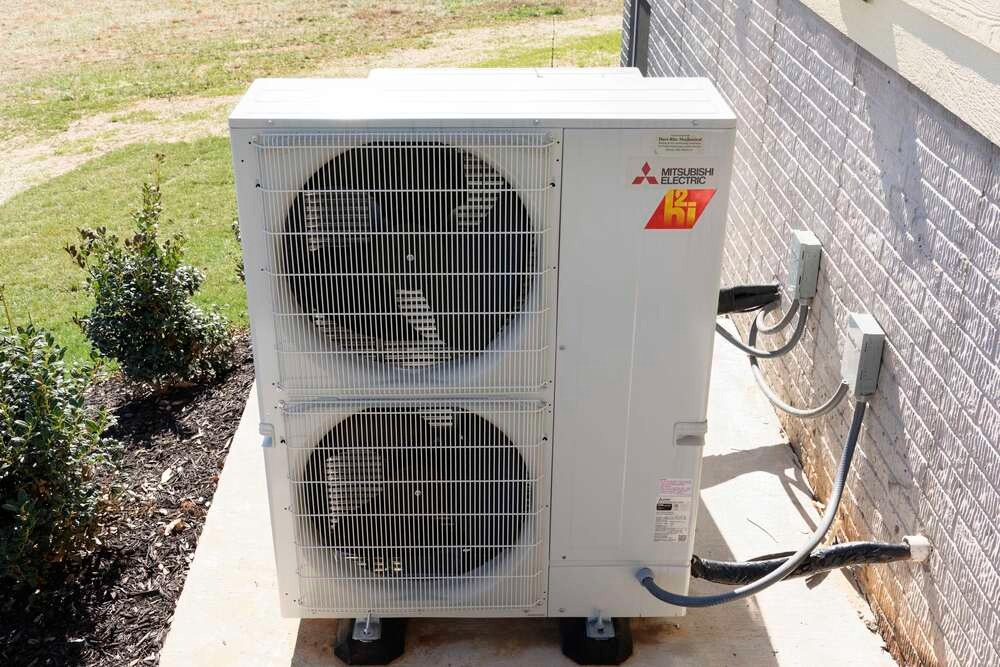
A heat pump system moves heat instead of creating it. According to the U.S. Department of Energy, a properly installed air-source heat pump can deliver up to two to four times more heat energy to a home than the electrical energy it consumes. This allows homeowners to reduce energy usage and get smoother indoor temperatures year-round.
Modern cold-climate models continue to work effectively at lower temperatures than older units. Overall, they’re a versatile option if you want heating and cooling in one system with better efficiency over time.
What Is a Furnace?

A furnace generates heat directly by burning oil or gas, or with electric resistance, then quickly pushes warm air through ducts to heat rooms. Because it creates heat rather than moving it, a furnace delivers high output during the coldest nights and feels immediately reliable when temperatures plunge.
The downside is higher ongoing fuel consumption, plus the logistics of fuel deliveries or regular venting inspections. According to the U.S. Environmental Protection Agency (EPA), greenhouse gas emissions from the residential sector come from burning fossil fuels for heating, which is why many homeowners are now considering heat pumps for improved energy performance.
Key Differences
Energy Efficiency and Performance
Heat Pumps:
✔️ Move heat, don’t make it: They transfer heat using electricity, which typically reduces energy usage compared to electric-resistance systems.
✔️ Efficiency metrics: Look for HSPF (seasonal heating) and COP (instantaneous efficiency); both indicate that heat pumps deliver multiple units of heat per unit of electricity.
✔️ Reduced energy usage for the same comfort: Because they move heat, heat pumps typically deliver reduced energy consumption overall, supporting smarter energy performance compared with burning fuel on-site. Unlike furnaces, heat pumps do not dry out the air, which can help maintain more natural indoor humidity levels.
✔️ Better for the environment: Heat pumps produce no on-site combustion, so they cut CO₂ and local pollutants; their environmental advantage grows as the electricity grid gets cleaner.
⚠️ Higher upfront installation costs are common, though rebates can help offset the upfront investment over time.
Furnaces:
✔️ Create heat directly by burning fuel (oil/gas) or using electric resistance, so output is immediate and intense in extreme cold.
✔️ Efficiency metric: AFUE (annual fuel utilization efficiency). A higher AFUE means more of the fuel’s energy becomes usable heat.
⚠️ Often lower initial equipment cost than some heat-pump installations.
❌ Higher ongoing fuel consumption: Furnaces generally use more energy (fuel) to deliver the same indoor comfort level.
❌ Greater on-site environmental impact: According to the U.S. Environmental Protection Agency (EPA), greenhouse gas emissions from the residential and commercial sectors come from fossil fuels burned for heat. These systems emit CO₂ and other pollutants, making them less environmentally friendly.
Climate Suitability: Which System Performs Better in New England?
Heat Pumps in New England Winters
Pros:
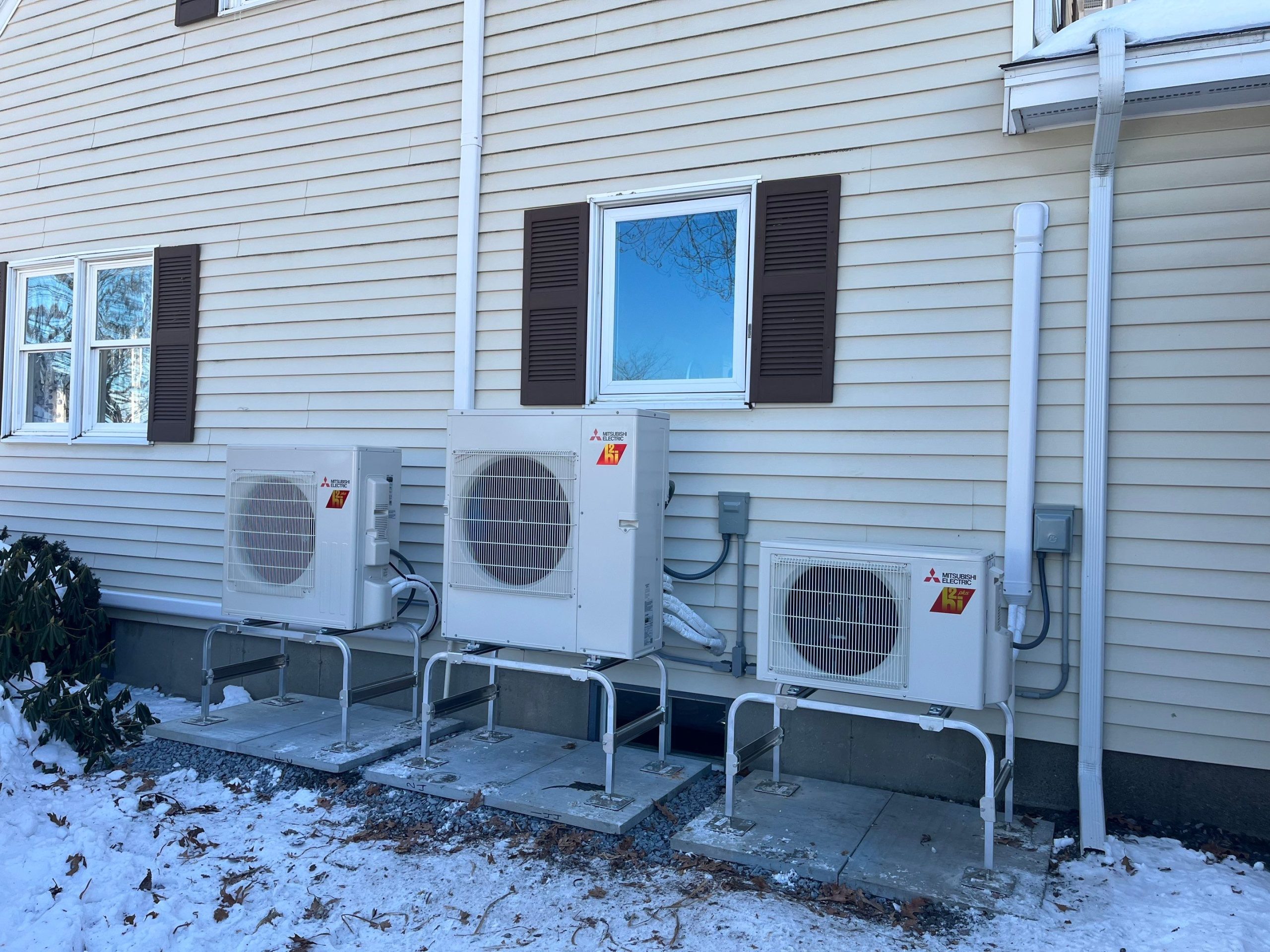
✔️ Cold-climate models can perform in very low temperatures. Mitsubishi Electric H2i plus systems deliver 100% heating capacity at temperatures as low as −5°F and continue providing usable heat down to −22°F.
✔️ They are highly efficient on most winter days and during the shoulder seasons, which typically reduces energy usage across the season.
✔️ Heat pumps provide year-round comfort, offering heating and cooling with steady, even temperatures and zoning flexibility.
Cons:
❌ The initial installation cost can be higher than traditional HVAC systems.
❌ Heat pumps depend on electricity, so during power outages, a backup source or generator may be necessary.
❌ Air-source heat pumps require outdoor space for the exterior unit.
Furnaces in New England Winters
Pros:
✔️ Highly reliable in very cold conditions, providing steady, powerful heat.
✔️ No need for supplemental systems, as furnaces generate their own heat.
Cons:
❌ Consumes more fuel, leading to higher fuel consumption in the long run.
❌ Less environmentally friendly due to higher natural gas, oil, or propane emissions.
❌ Overkill for milder days, making them less efficient outside peak cold.
❌ A furnace requires electricity to operate and will not function during a power outage.
Performance Comparison: Heat Pump vs Gas Furnace
| Feature | Heat Pump | Gas Furnace |
| Energy Efficiency | ✅ Moves heat rather than generating it, typically requiring less energy per unit of heat delivered | ❌ Converts fuel directly into heat; efficiency varies by AFUE rating |
| Initial Installation Cost | 💰 Higher upfront cost; federal and state rebates may be available to offset this | 💵 Generally lower upfront cost, but higher ongoing fuel consumption |
| Operating Costs | 💸 Lower energy consumption on most days compared to fuel-burning systems | 📈 Fuel costs vary with market prices and can be unpredictable season to season |
| Maintenance | 🛠️ Routine seasonal upkeep recommended | 🔧 Regular maintenance required, including annual inspections |
Environmental Impact
Heat Pump Environmental Benefits
Pros:
✔️ Heat pumps have a much lower carbon footprint because they do not burn fossil fuels on-site. According to the U.S. Department of Energy, switching to a heat pump could save up to 7.6 tons of carbon emissions per year, depending on your previous heating system.
✔️ They transfer renewable energy from the air, ground, or water to heat and cool your home, making them significantly more efficient than combustion-based systems.
Furnace Environmental Considerations
Cons:
❌ Furnaces burn natural gas or oil, releasing CO₂ and other pollutants. According to the EPA, residential fossil fuel combustion for heating is a direct source of greenhouse gas emissions in the United States.
❌ They produce higher on-site emissions that contribute to climate change.
Which System is Right for Your Home?
Heat Pump: A Strong Option for New England Winters
In a gas furnace vs. heat pump comparison for New England, heat pumps are a compelling choice for many homes. They are energy-efficient, produce no on-site emissions, and provide year-round comfort for both heating and cooling in a single system.
Furnace: Ideal for Extreme Cold
When winters are extremely cold, furnaces can provide the high-output heat that some homes require. Although reliable, a traditional furnace may not offer the same energy efficiency or environmental benefits as a heat pump.
FAQs
Can a heat pump effectively heat my home during a New England winter?
Yes! A heat pump can keep your home comfortable during most New England winters. They perform efficiently on typical winter days.
What are the installation costs for a heat pump vs. a furnace?
Generally, a furnace has a lower upfront installation cost. However, a heat pump uses electricity more efficiently than combustion-based systems, delivering efficient performance over time, particularly in moderate winters. Federal and state rebate programs may also help reduce the initial investment in a heat pump.
Can a heat pump reduce energy usage compared to a furnace?
Heat pumps are highly efficient and can reduce energy usage compared to traditional furnaces. When comparing heat pumps to gas furnaces in New England, many homeowners achieve optimized energy performance throughout the winter.
How long do heat pumps and furnaces last?
Both systems can last many years with proper maintenance. Longevity depends on usage, system quality, and regular maintenance, so it’s important to schedule seasonal inspections and follow the manufacturer’s recommendations.
Upgrade Your Home with Year-Round Comfort!
Whether you’re considering a heat pump or furnace, Bergeron Mechanical Systems can help you find the right fit for your New England home; and handle the installation from start to finish.